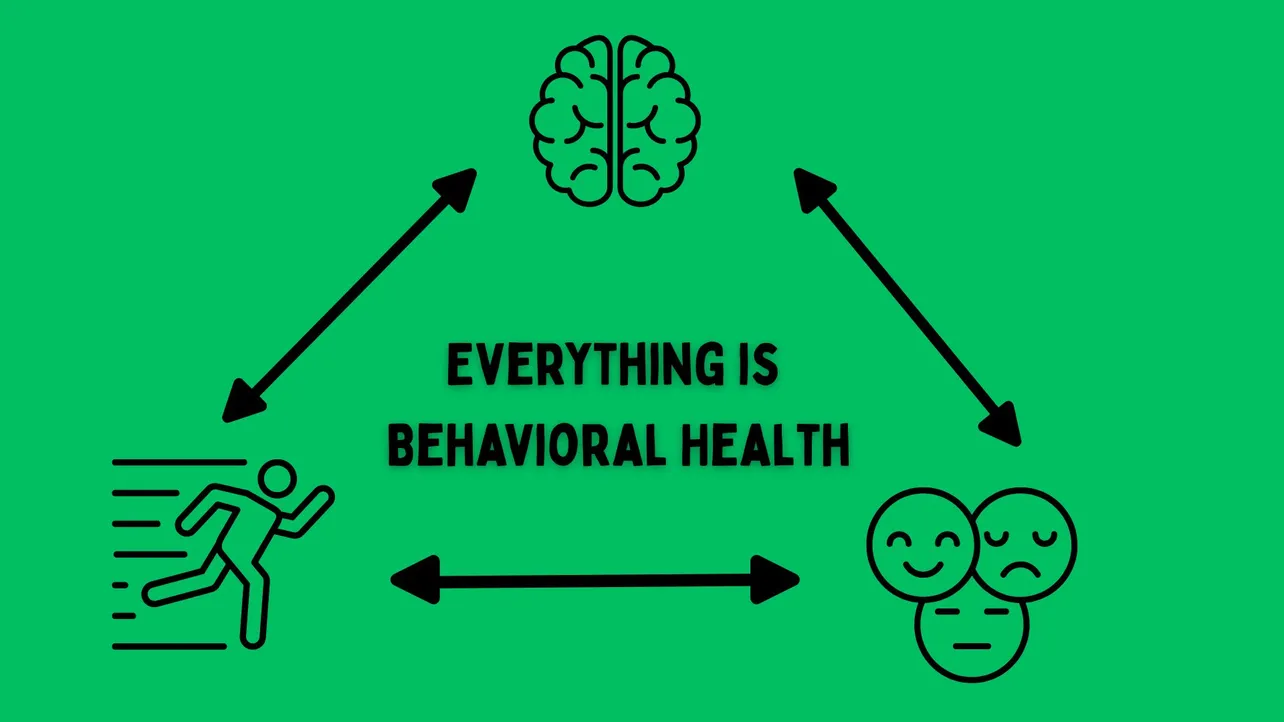
Last spring, I had one of those days at work — the kind where everything feels heavy, and instead of letting myself disengage, I carried it home.
Because obviously, thinking about it more would solve everything…right?
I pulled up to my garage, determined to park close. It was early spring, still snowy in my neck of the woods, and I hate shoveling that strip of snow between my car and the door. I’d rather risk scraping paint than shovel six inches of slush.
So there I was: beating myself up over the day, grabbing my lunchbox from the back seat, and not paying attention to the massive, immovable object directly in front of me.
CRUNCH.
Not a chip in my lunchbox. Not a branch on the driveway.
Just my car, kissing the garage door.
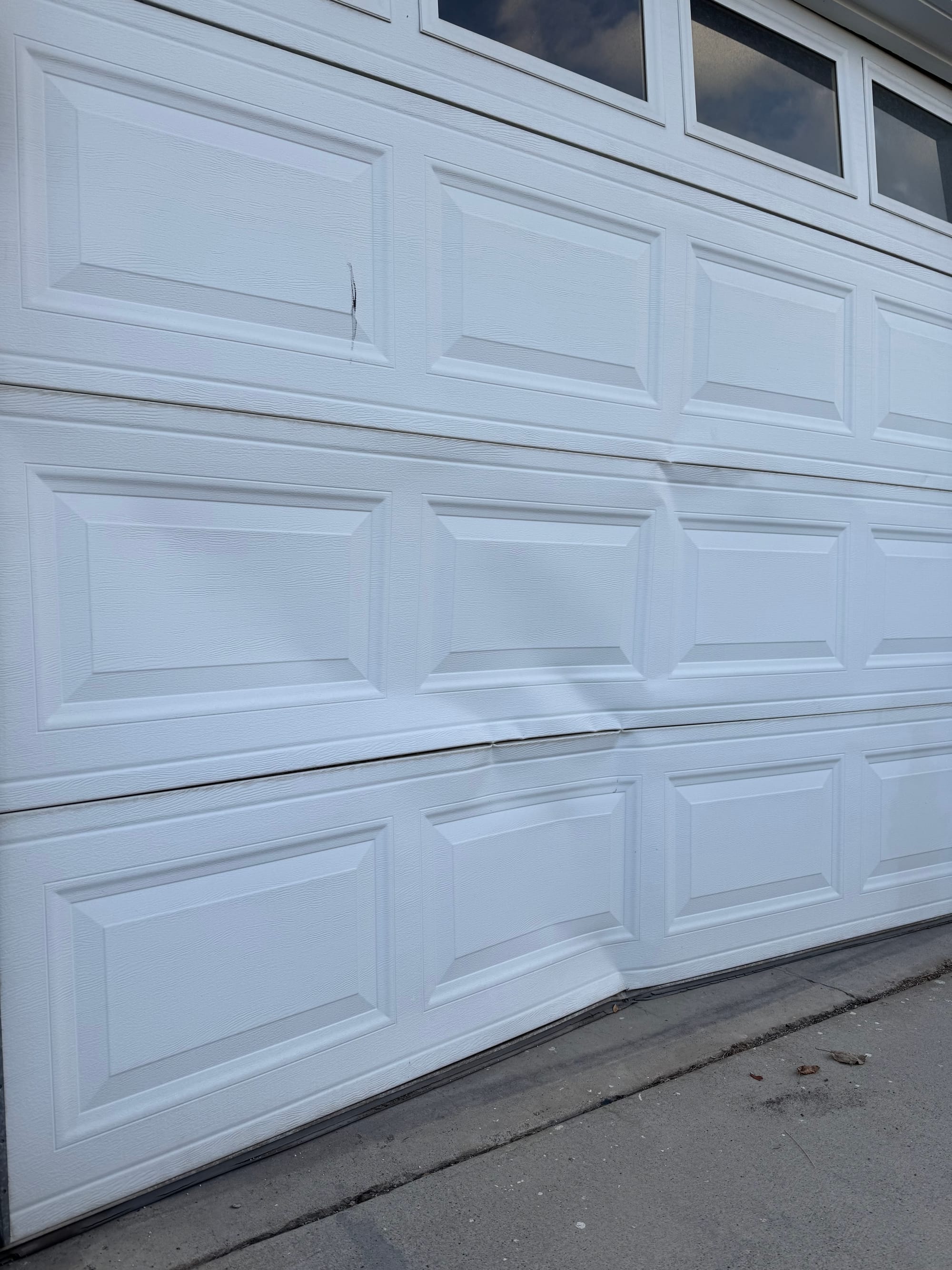
And like any fully functional adult, my first thought wasn’t about damage. It was: “Did anyone see me?”
Cue the frantic mirror-checking, quick reverse, and a casual stroll into the house. (Not looking at my phone, of course, just in case a neighbor assumed I crashed because I was texting. I wasn’t texting! I was daydreaming... A completely different form of irresponsibility.)
Let’s CBT This:
Here’s how my brain-to-behavior chain went down:
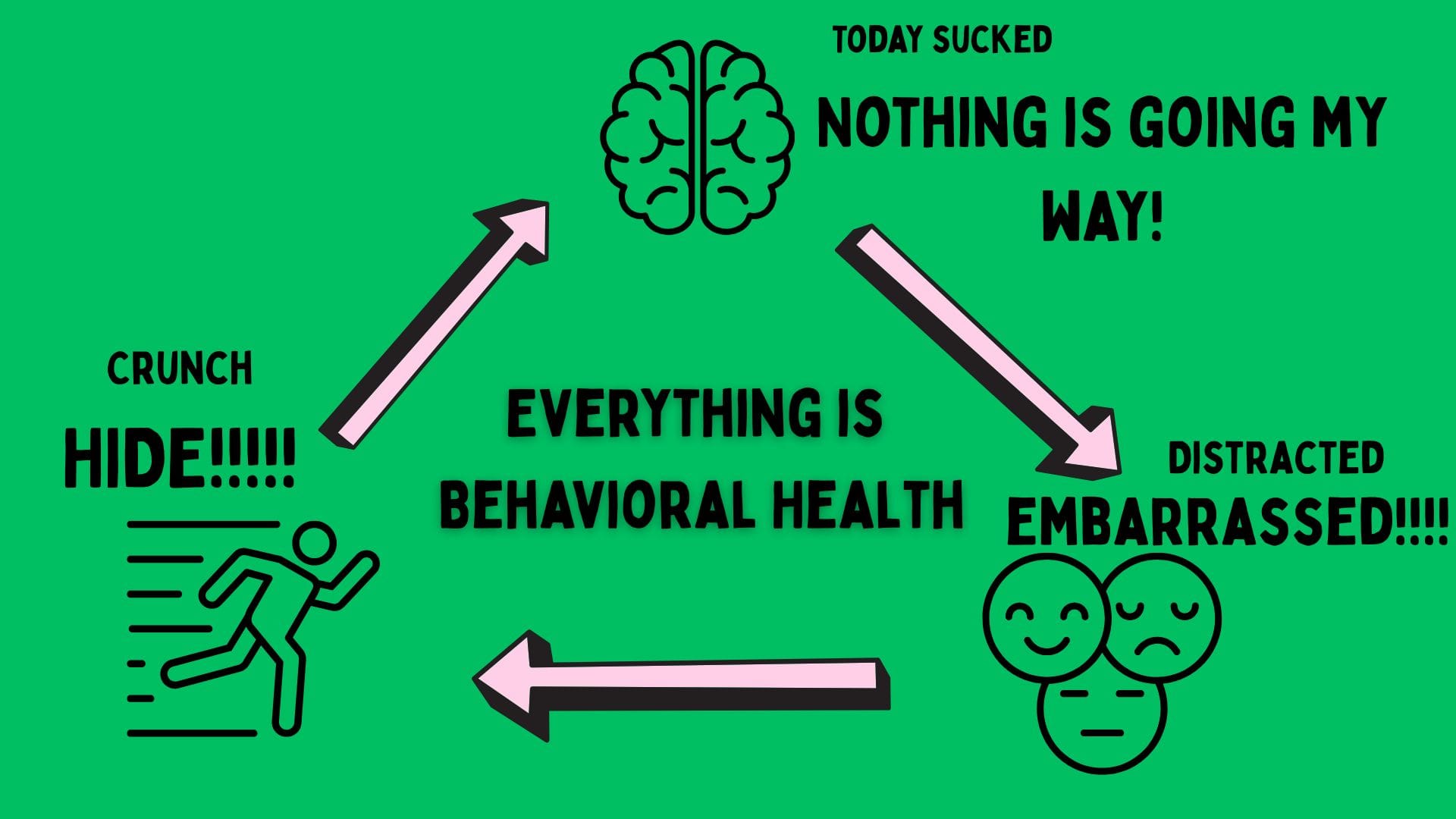
- I had a crap day and kept replaying it.
- Rumination = distraction + self-criticism.
- Distracted me rammed into my garage door.
- I imagined my neighbors whispering, “She’s losing it.”
- I felt even worse.
- I sneaked inside without even checking for damage.
The Takeaway
This wasn’t really about the garage. (Though RIP to the once straight metal door.)
It was about how my thoughts had the steering wheel that day instead of my hands. Rumination was in the driver’s seat, and I was just the passenger along for the crash.
CBT lesson?
Thoughts → Feelings → Actions.
Lesson learned. When rumination drives, it doesn’t just wreck your mood. Sometimes, it wrecks your garage.