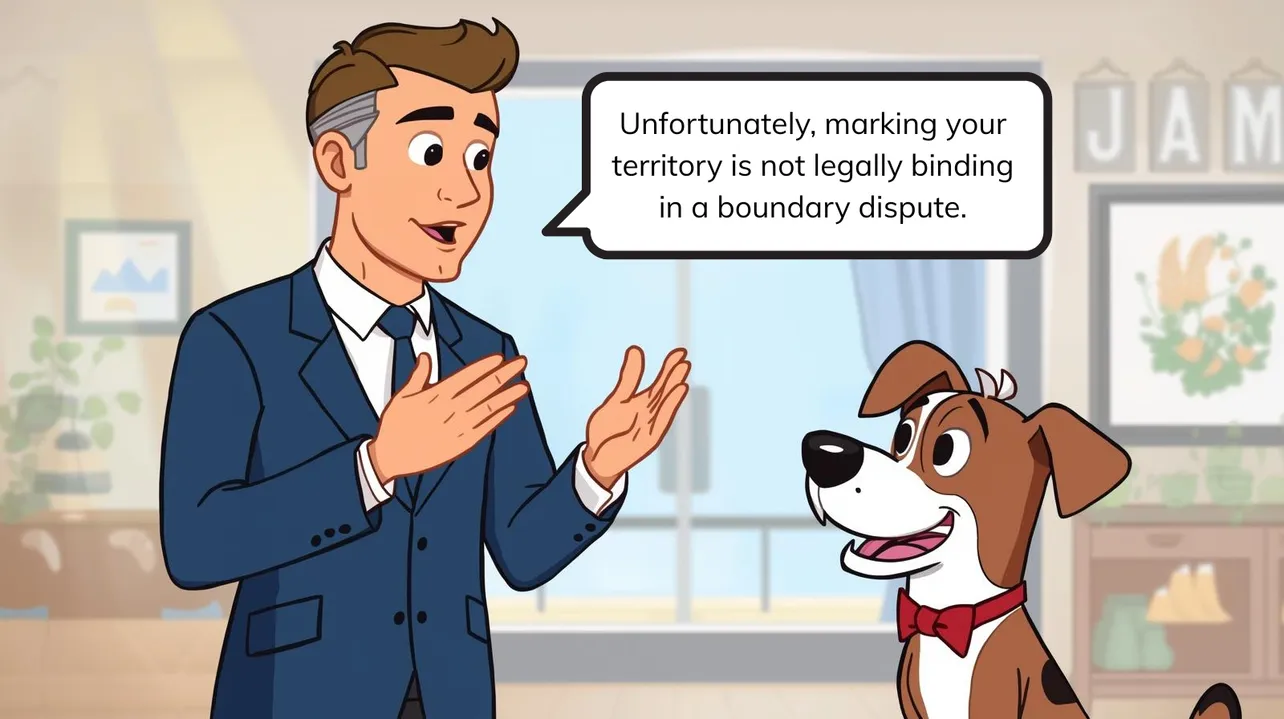
Boundaries are the limits we set for what we will or will not tolerate. They can be emotional, mental, or physical.
The tricky thing about boundaries is...they are different for everyone. We all have different tolerances and values.
For example, my dog is absolutely never allowed on furniture or my bed. Many animal lovers sleep with their dogs. None of us is wrong; we simply have different boundaries with our pets based on what is important to us.
Boundaries are built through our values, experiences, and sense of right or wrong.
My Introduction to Boundaries...
If you’ve been reading my blogs, you already know—boundaries haven’t always been my strong suit. I’m improving, but for a long time, saying “no” felt like committing a crime.
So I avoided it.
And yikes, did that come with side effects: accepting dates I didn’t want to go on, forcing myself to believe things I didn’t actually believe, and my personal favorite—getting married twice to people I didn’t want to marry.
Boundaries impact everything.
The day I finally realized I was done, I was sitting in the living room with husband #2. We were having one of those circular, soul-draining conversations when he said:
“Jamie, you are nothing but a doormat. You’ve always been a doormat. You’ll always be a doormat, and I’m going to walk all over you for the rest of your life.”
That quote burned itself into my brain.
And weirdly, I’m grateful for it.
Because in that moment, something inside me caught fire.
I was done. Done making decisions based on what others told me was “right” for me.
In college, a close friend used to tell me, “Your family communicates through guilt and pressure.” I’d get defensive—how dare she? But sitting in that living room, I realized she was right.
People did communicate with me using guilt and pressure.
And I’d been listening.
Keys to Healthy Boundaries:
Being called a doormat can be strangely motivating. Once the smoke cleared, I realized I had a lot to learn about healthy boundaries.
Here are the keys I wish I’d had back then.
- Liking yourself and putting yourself first.
- Believe it or not, that’s not selfish! Healthy boundaries begin with self-respect. Know your work and protect your time and energy.
- Self-Assessment of your values, then behaving accordingly.
- Ask yourself whether this action aligns with who you are (or want to be) and moves you in that direction.
- Remember that it’s easier to become more flexible than rigid with your boundaries.
- Let people show you that they are worthy of your inner circle. It’s normal to have a small handful only.
- Trust your gut.
- Listen to your emotions, and if you struggle with emotional awareness...stay tuned, we will get there too.
- Practice saying, “no” to easy things first.
- Practice makes perfect...
My New Doormat
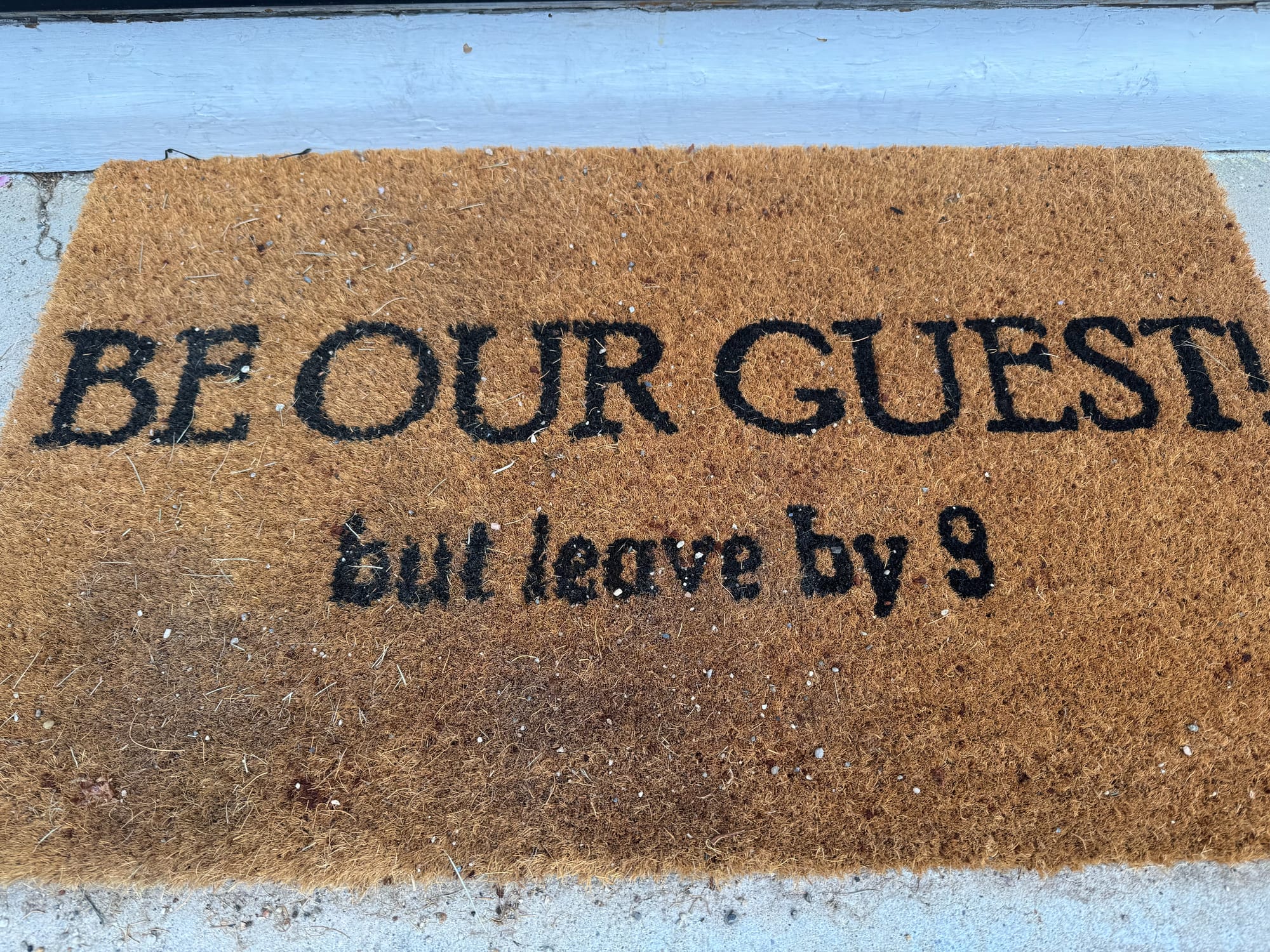
I recently found this doormat... It makes me smile and is a daily reminder of who I am and what I will and won't tolerate.
(I also love that my daughter's friends know upfront that my bedtime is 9:00.)
Get Started:
The first step, as we look at boundaries, is a values assessment. So if you feel like it, check out this download and begin learning who you are and what really matters to you.
List what is important to you in the areas of:
- Health & Wellness
- Relationships
- Work & Career
- Leisure Time
Feeling inspired — or slightly called out?
Good. That’s where growth starts.
Head over to the new EIBH Toolbox for bite-sized tools and behavioral upgrades to keep your boundaries strong.